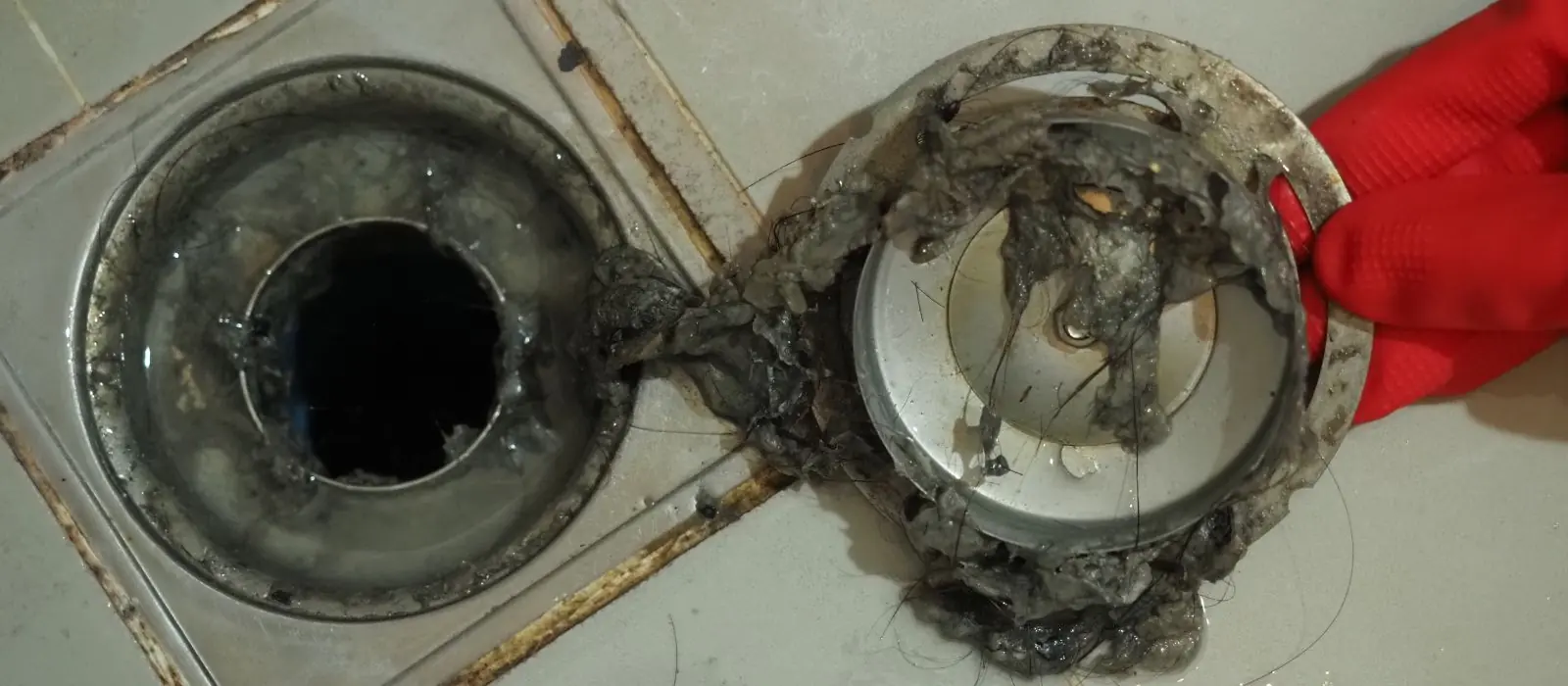
What a sewage backup is and why it spreads
Sewage backup cleanup is the removal and sanitizing of contaminated water that has come up through a toilet, tub, floor drain or sewer lateral. It is a health-risk situation, so stay out, keep children and pets away and call (213) 776-0579. A plumber clears the blockage, and we handle the contaminated water and the materials it touched.
Sewage backup emergency: what to do right now
Stop adding water
Do not flush, and do not run sinks, tubs, washers or dishwashers. Water you add has nowhere to go but out of the same drain.
Leave the area
Move people and pets to a clean part of the house, and keep them out of the wet rooms.
Call the 24/7 line
Tell us which drains are affected and roughly how far the water reached.
Call a plumber
A licensed plumber finds the blockage and clears or repairs the line. We do not repair plumbing.
Safety first: contaminated water and your household
Do not touch it, do not wade through it
Sewage water carries contaminants and is unsafe to touch. Keep children, pets and anyone with a health concern out of the area, and do not use a household vacuum on it.
If the water reached outlets, appliances or the panel, cut power only if the panel is dry and safe to reach. For any gas smell or electrical risk, call the utility or 911 before you call us.
What you see and what it tells you
| What you see | What it may mean | Next step |
|---|---|---|
| Toilet overflows with dirty water | A blockage in the house line or the lateral | Stop using water and call a plumber and us |
| Floor drain or tub fills when the washer drains | The main line is blocked below the house | Stop all water use and call |
| Gurgling drains and a sewage smell | Air and water are being pushed back up the line | Keep out of the area and call a plumber |
| Damp carpet near a drain, no obvious puddle | Contaminated water has soaked into the carpet and pad | Keep off it and call us |
How the crew contains, removes and sanitizes
The ANSI/IICRC S500 standard, a published industry standard for professional water damage work, places sewage water in its most contaminated category, called category 3. You can ask any restoration company how it follows that reference. In practice it means porous materials that touched the water are usually removed rather than dried.
Assess and protect
The crew puts on protective suits, gloves, boots and respirators and checks where the water traveled with moisture meters.
Contain the area
Plastic sheeting and barriers keep the work zone separate from clean rooms.
Extract the water
Pumps and extraction units pull the contaminated water out before anything else is moved.
Remove porous materials
Carpet, pad, soaked drywall and insulation that touched the water are cut out and bagged.
Clean and apply antimicrobial
Hard surfaces and framing are cleaned, then an antimicrobial is applied.
Dry and control odor
Air movers and LGR dehumidifiers dry the structure, and air scrubbers and deodorizing help with the smell.
Drying continues until readings match unaffected materials, as covered on the structural drying page. The wider cleanup work is described on our water damage cleanup page, and if standing water is deep you may also need emergency water removal.
Sewage backing up right now?
Stay out and call (213) 776-0579. The line is answered around the clock.
What changes the cost of a sewage cleanup
- How far the water spread and how many rooms it reached
- How much carpet, pad, drywall and insulation must be removed
- Protective equipment, containment and disposal needs
- Drying equipment and the number of monitoring days
- Rebuild work afterward, such as drywall, flooring and paint
We explain the scope and price before work starts, after the crew has seen the affected area.
Backup, flood or plumbing: where insurance fits
The California Department of Insurance says homeowners policies typically exclude flood, mudslide and debris flow. Flood coverage comes from the National Flood Insurance Program, whose policies generally take effect 30 days after purchase. A sewage backup from a blocked line is a plumbing backup, not a flood (rising flood water is covered on the flood damage restoration page), so ask your insurer how your policy treats it.
Water backup coverage is often a separate endorsement, and gradual problems are often excluded while sudden and accidental damage may be covered. Check your policy or ask your insurer. The state consumer hotline is 1-800-927-4357 and the NFIP claims line is 1-800-638-6620. Keep dated photos and moisture readings for your claim.
Mistakes to avoid after a backup
- Cleaning it up yourself with a mop, towels and a household vacuum
- Running fans that blow contaminated air into clean rooms
- Letting children or pets walk through the area
- Keeping wet carpet or pad because the surface looks clean
- Using the drain again before the plumber has cleared the line
Wet materials that stay in place can grow mold, so removal and drying should start promptly. See mold remediation if growth has already appeared.
South Gate notes on drains, permits and rebuilds
Older South Gate drains and city permits
South Gate was incorporated in 1923, and its Wikipedia history places most of the homes and factories on former farmland between 1910 and 1940, with many early homes owner-built. Houses that old can have original drain piping and plaster over lath, so ask a plumber to inspect the line after a backup and ask about testing materials before demolition.
The city's website lists plumbing work among the improvements that typically need a permit, which can apply when a damaged drain line is replaced. The city's Building and Safety Division can answer questions. A drain line repair or wall rebuild may need a permit, so ask before work starts.
We also take calls from Huntington Park and Lynwood. If you rent, tell your landlord at once, since the drain line may be theirs to repair.
Need the area cleaned and sanitized?
Call (213) 776-0579 and the crew will explain the scope before work starts.
Sewage backup questions
Yes. The 24/7 line, (213) 776-0579, is answered around the clock every day.
Crews are sent the same day when one can be spared. We do not promise an arrival time.
A licensed plumber clears or repairs the line on your property. For the public main, ask the city which agency handles the public sewer. We handle the water and the cleanup and can work alongside the plumber.
Usually not. Carpet and pad that touched category 3 water are generally removed. Hard floors and some framing can often be cleaned and dried.
We advise against it. The water is contaminated, and cleanup needs protective gear, extraction, containment and antimicrobial products. Keep everyone out until a crew has finished.
It depends on your policy. Water backup is often a separate endorsement and flood is usually excluded. Ask your insurer before work starts and keep your photos and records.
Odor mostly comes from the wet materials, so removing them matters most. After cleaning and drying, the crew may use air scrubbers and deodorizing. We do not promise the smell will be fully gone.