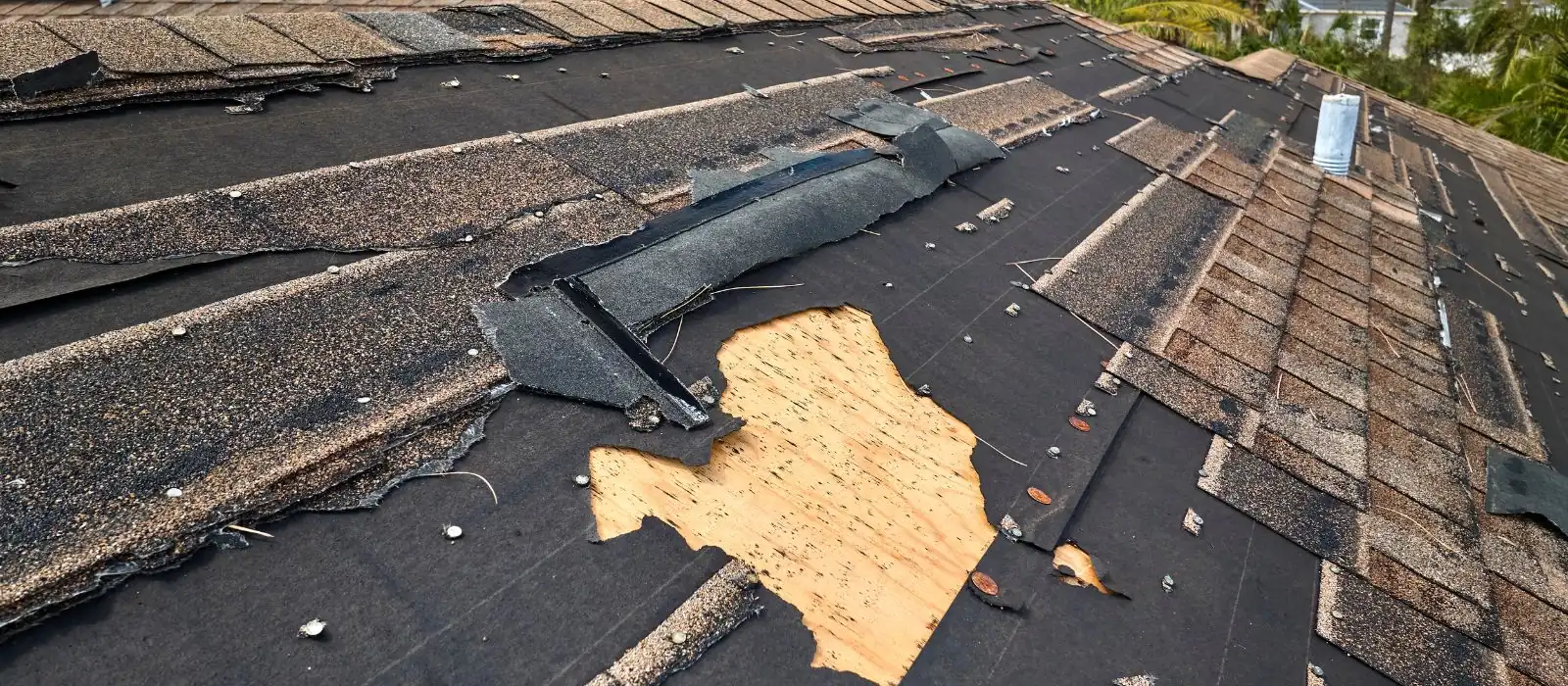
Storm water damage emergency: what to do right now
When a storm pushes rain through a window, under a garage door or through a torn roof, the water is already soaking drywall, flooring and insulation. Call the 24/7 line at (213) 776-0579 once you are safe. We extract the water and dry the structure, and a roofer or glass contractor closes the opening.
- Move people and pets out of rooms with water near outlets, panels or sagging ceilings.
- Turn off power to wet areas only if the panel is dry and you can reach it on dry ground.
- Photograph every wet area and every opening before you move anything.
- Call and tell us where the water entered.
How storms get water into South Gate homes
Los Angeles area storms are infrequent but can be intense, so many homes here have never had their drainage tested by real rain. A downspout that ends at the foundation or a driveway that slopes toward the garage shows its flaw only when a hard storm arrives.
Wind drives rain sideways through window frames and door seams. Runoff pools against thresholds and garage doors, and a fallen branch can puncture a roof. Each route wets a different part of the house.
Safety before you step into storm water
Storm water can carry mud, debris and whatever runoff picked up on the street, and it can hide electrical hazards.
Power, gas and downed lines
Do not wade into water that touches outlets, appliances, a panel or wiring. Cut power only if the panel is dry and you can reach it without stepping through water. For a gas smell, sparking or a downed line, call the utility or 911 first, then call us.
Keep people out from under a bulging ceiling and children and pets away from standing water.
Reading the damage: what you see and what it means
| What you see | What it usually means | First move |
|---|---|---|
| Water dripping around a window frame | Wind-driven rain got past the seal or the flashing | Towels down, furniture moved, photos taken |
| Wet floor just inside a garage or front door | Runoff pooled at the threshold and crept in | Lift items off the floor |
| Stained or bulging ceiling after the storm | A roof opening or blocked drainage above | Keep people out from under it and set buckets |
| Muddy water with debris on the floor | Ground-level runoff, possibly contaminated | Stay out and call |
Roof entry has its own page, roof leak cleanup. Water that came up through a drain is covered under sewage backup cleanup.
When a storm loss turns into a flood loss
A storm loss is rain that comes through an opening in the building, such as a window, a roof or a door seal. A flood loss is surface water from outside that rises and enters, often across a whole floor and carrying mud. Our flood damage restoration page covers rising flood water.
Insurers treat the two differently. A garage that fills from the street moves your loss toward flood, even if it began as an ordinary storm. Flood is usually excluded from homeowners policies and needs separate flood coverage.
Extraction and drying after the storm
Moisture meters read walls and framing, and a thermal imaging camera shows wet areas behind finishes. The ANSI/IICRC S500 standard is the written industry guide for restoring water-damaged structures, and you can ask any company how it applies it.
Extract
Pumps and extraction units pull standing water out.
Remove what cannot dry
Soaked pad, insulation and softened drywall come out, because they dry slowly.
Dry the structure
Air movers and LGR dehumidifiers run on floors and walls.
Check the readings
Return visits show when materials reach the dry goal.
The opening is a different trade. A roofer closes a torn roof and a glass or door contractor repairs a window or garage door. We do not repair roofs or windows, and we work alongside them. Our emergency water removal page covers standing water.
Water coming in during the storm?
Call the 24/7 line and tell us where it entered.
What changes the cost of storm cleanup
- Water category, from clean rain through a window to muddy runoff
- The area wet and the number of rooms reached
- How long the water sat before extraction
- Materials that must come out, such as pad, insulation and drywall
- Equipment days and monitoring visits
We explain the scope and price before work starts.
Storm damage and your insurer
Sudden and accidental damage from a storm is often covered, but policies word it differently. Check your policy or ask your insurer, and report the loss quickly.
We keep dated photos and moisture readings for your claim.
Before the next storm: drainage and sandbag basics
Walk the property before the rainy season
- Clear gutters and downspouts
- Direct downspout outlets away from the foundation
- Check garage door seals and window caulk
Sandbags slow shallow runoff at a door or garage threshold, but they do not seal. Fill them about half full and stack them in a staggered pattern in front of the opening. They are no help against rising flood water.
Storm cleanup in South Gate and nearby
Storm damage rarely stops at a city line. A flooded garage in Downey, which sits between the Rio Hondo and the San Gabriel River, or a wet living room in Compton, mostly single-family streets, reaches the same 24/7 line as a South Gate call.
What South Gate facts mean for storm damage
Wikipedia's geography entry says the Los Angeles River runs through the eastern part of South Gate. For your own address, look it up on the FEMA Flood Map Service Center and ask your insurer about flood coverage. We never state a flood zone for any address.
The California Department of Insurance says homeowners policies typically exclude flood, mudslide and debris flow, and flood coverage comes from the National Flood Insurance Program, whose policies generally take effect 30 days after purchase. Ask early. The consumer hotline is 1-800-927-4357 and the NFIP claims line is 1-800-638-6620.
South Gate's Wikipedia entry places most of its building boom between 1910 and 1940, after the city incorporated in 1923. Older houses can have plaster over lath walls, so tell the crew your home's age and ask about testing materials before demolition.
Storm water on your floor?
Call (213) 776-0579 and the crew will plan extraction and drying.
Storm water damage questions
Yes. The 24/7 line is answered around the clock, and same-day response is offered when crews can be spared. We do not promise an arrival time.
Not automatically. Rain through a window, roof or door seal is a storm loss. Surface water that rises from outside and enters the building is a flood loss. Ask your insurer.
No. A roofer or glass contractor handles the opening. We handle the water inside.
Treat it as unsafe. It can hide electrical hazards and carry contamination from the street. Stay out until the power is dealt with.
They slow shallow runoff at a threshold but do not seal, and they do nothing against rising flood water.
Clean rain water caught early may allow drying in place. Muddy or contaminated water usually means removal.